Thursday, November 14, 2024

How to Reduce Septic Tank Smells in Your Garden Naturally

How to Reduce Septic Tank Smells in Your Garden Naturally

How to Reduce Septic Tank Smells in Your Garden Naturally

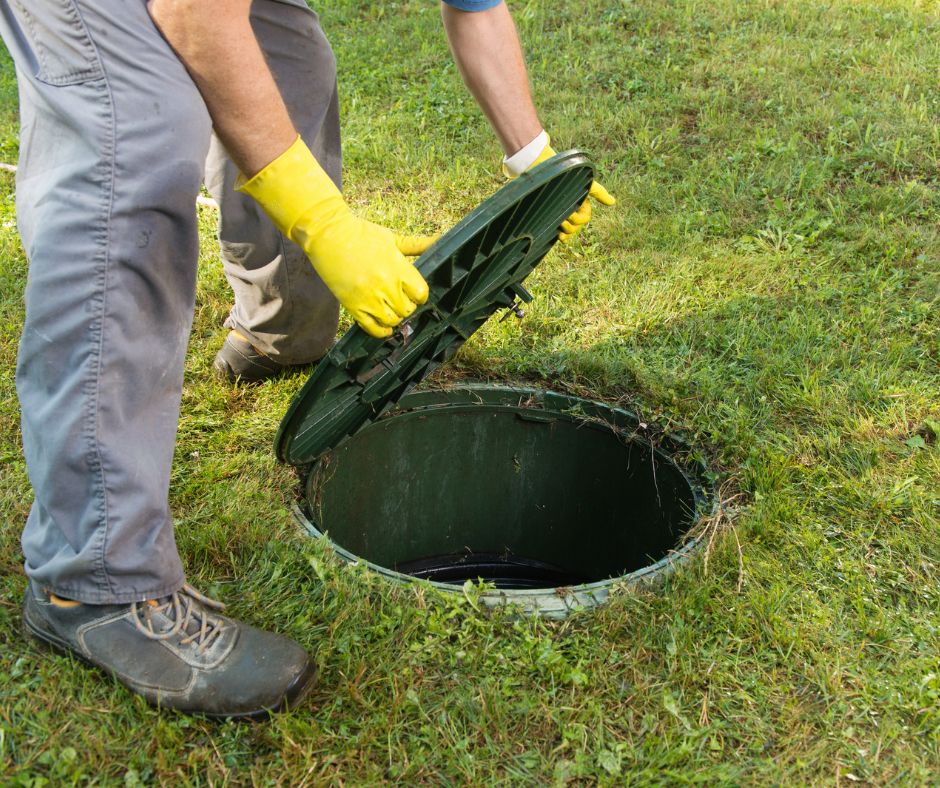
A pungent odor wafting from your garden is never a pleasant experience, especially if it's coming from your septic tank. While a properly functioning septic system shouldn't emit strong smells, factors like aging, overloading, or poor maintenance can lead to unpleasant odors that can permeate your outdoor space. Fortunately, there are several natural methods to combat these smells and restore the pleasant aroma to your garden.

Understanding Septic Tank Smells

The source of the smell is usually hydrogen sulfide gas, a byproduct of the bacterial breakdown of waste in the septic tank. This gas can escape through vents, cracks in the tank, or even through the soil.

Natural Solutions for Reducing Septic Tank Smells

1. Aeration and Ventilation

Improving air circulation around the septic system can help dissipate odors.

  • Ensure that your septic tank vent pipe is clear and unobstructed. This allows gases to escape into the atmosphere.
  • Prune any trees or shrubs that might be growing too close to the vent pipe or blocking airflow.
  • Consider adding an additional vent pipe if your system has only one, particularly if you live in a humid climate.
  • 2. Enhance Bacterial Activity

    Healthy bacteria are crucial for breaking down waste and minimizing odor-producing compounds.

  • Add natural bacteria-boosting agents like yeast, baking soda, or a commercial septic tank treatment. These products introduce beneficial bacteria to your tank, promoting better waste breakdown.
  • Avoid harsh chemicals that can kill beneficial bacteria.
  • 3. Plant Odor-Absorbing Plants

    Certain plants are known for their ability to absorb odors.

  • Plant fragrant herbs like lavender, rosemary, or mint around the perimeter of your garden, particularly near the septic tank. Their strong scents can mask the unwanted odors.
  • Consider planting odor-absorbing trees, such as oak or pine, which can also contribute to a more pleasant outdoor environment.
  • 4. Use Natural Deodorizers

    Spread natural deodorizers like coffee grounds or charcoal around the septic tank. These materials absorb odors and can help neutralize the smell. You can also sprinkle baking soda or borax in the tank.

    Long-Term Solutions

    While these natural solutions can help reduce septic tank smells, it's important to address any underlying issues.

  • Regularly inspect your septic tank for cracks or leaks.
  • Avoid overloading your septic system by minimizing water usage and limiting the amount of waste flushed down the drain.
  • Consider getting your septic tank pumped every 3-5 years to prevent sludge buildup and odor production.
  • By implementing these natural remedies and addressing any underlying issues, you can minimize septic tank smells and enjoy a pleasant, odor-free garden. Remember, a well-maintained septic system is crucial for a healthy environment and a pleasant outdoor living space.

    Read More..

    Wednesday, November 13, 2024

    How to Tackle the Smell of Your Septic Tank and Drain Field

    How to Tackle the Smell of Your Septic Tank and Drain Field

    The Great Septic System Stink: How to Conquer That Unpleasant Odor

    Let's be honest, nobody wants to deal with the smell of a septic tank. It's like a bad joke that keeps coming back, leaving you with a grimace and a lingering odor that makes your nose twitch. But before you panic, let's dive into the world of septic systems and figure out how to conquer that awful smell.

    Think of your septic system as a mini-ecosystem. It's a complex world of bacteria that break down waste, keeping your home's plumbing running smoothly. But like any ecosystem, it can get out of whack, leading to smelly consequences.

    So, where does the stink originate from? The culprit is usually a combination of factors, including:

    • Overloading the tank: When your septic tank is filled to capacity, the solid waste can't decompose properly, leading to a build-up of nasty gases that escape into the air.
    • Clogged drain field: The drain field is the unsung hero of your septic system, slowly filtering the treated wastewater. A clogged drain field can prevent wastewater from draining effectively, leading to backups and, you guessed it, foul odors.
    • Improper maintenance: Just like any other part of your home, neglecting your septic system can lead to trouble. Skipping regular maintenance can create a breeding ground for odor-causing bacteria.
    • Cracks or leaks: If there are cracks or leaks in your septic tank or pipes, sewage can seep into the surrounding soil, causing a pungent smell that can be hard to ignore.

    Don't worry, you're not alone in this battle against the septic stench. Many homeowners face this issue, and there are ways to tackle it. Let's break down some effective solutions:

    Fighting the Stink: Practical Tips to Conquer Septic System Odors

    1. The Power of Prevention: Regular Maintenance is Key

    The best way to prevent odor problems is to keep your septic system in tip-top shape. Just like taking your car for regular oil changes, your septic system benefits from routine check-ups. Here's what you can do:

    • Pumping it out: The frequency of pumping depends on the size of your tank and the number of people using it. However, a good rule of thumb is to pump it every 3-5 years.
    • Inspecting for cracks: Have a professional inspect your tank and pipes for any cracks or leaks. This early detection can save you from future headaches and stinky surprises.
    • Avoid harmful substances: Some chemicals can be harmful to your septic system. Avoid pouring things like paints, solvents, bleach, and grease down the drain.

    2. DIY Deodorizers for a Fresher Home

    Sometimes, a little extra help is needed to combat those pesky odors. Try these DIY deodorizers:

    • Baking soda: Pour a cup of baking soda down the drain to absorb odors and help break down grease.
    • Vinegar: Follow the baking soda with a cup of vinegar. The combination creates a fizzing action that helps clean and deodorize pipes.
    • Citrus peels: Toss orange, lemon, or grapefruit peels down the drain for a natural fresh scent.

    3. Addressing the Underlying Cause: Troubleshooting for a Lasting Solution

    If DIY deodorizers only offer temporary relief, it's time to investigate the root cause of the odor. Here's a breakdown:

    • Overloading: If your septic tank is consistently full, you may need to pump it more often or invest in a larger tank.
    • Clogged drain field: This can be tricky to diagnose and may require professional help to clear.
    • Cracks and leaks: A professional inspection and repair are necessary to address these issues.

    Beyond the Basics: Expert Advice for a Smelly Septic System

    Sometimes, the smell is a sign of a bigger problem that requires professional intervention. If you've tried the DIY remedies and the odor persists, it's time to call a professional septic system specialist. They have the expertise and tools to:

    • Thoroughly inspect your system: This includes checking for cracks, leaks, and assessing the overall health of your tank and drain field.
    • Pump your tank: They can safely and efficiently remove the accumulated sludge and solids.
    • Clean and maintain your system: They can perform essential maintenance tasks, like cleaning the drain field and adding beneficial bacteria to improve the system's performance.
    • Diagnose and fix problems: If they discover underlying issues, they can recommend and implement solutions to restore your system's functionality and eliminate those pesky odors.

    Living with a Septic System: Best Practices for Odor Prevention

    Now that you're armed with the knowledge to conquer septic system odors, let's talk about some long-term strategies to prevent them from reappearing:

    • Embrace good hygiene: Avoid flushing items like paper towels, wipes, and feminine hygiene products down the drain. These items can clog the system and create odor problems.
    • Be mindful of what you flush: Excess grease and oil can contribute to the build-up of solids in your septic tank.
    • Water usage: Avoid showering or running the washing machine and dishwasher consecutively. This prevents a sudden influx of water and helps your system process wastewater efficiently.
    • Use septic-safe products: There are special septic-safe cleaners and detergents available that are designed to minimize harm to your system.

    Remember, your septic system is a vital part of your home. By practicing preventive maintenance and using these tips, you can keep it running smoothly and say goodbye to those pesky odors for good.

    Now that you're a septic system expert, you can breathe easy knowing you've got the tools to tackle those smelly situations!

    Read More..

    What Causes Septic Tank Smells in Your Yard and How to Fix Them

    What Causes Septic Tank Smells in Your Yard and How to Fix Them

    Septic Tank Smells: The Causes and How to Fix Them

    Let's face it, nobody wants to smell their septic tank. It's not exactly the aroma of fresh-baked cookies, is it? But if you're experiencing a pungent odor emanating from your yard, chances are your septic system is sending you a message. While the smell might be unpleasant, it's actually a sign that something's not quite right, and ignoring it could lead to bigger (and more expensive) problems down the line.

    So, what exactly causes those septic tank smells? And how can you get rid of them?

    The Culprits Behind Septic Tank Odors

    The culprit behind the stench is usually a breakdown in the delicate balance of your septic system. Think of it like a mini-ecosystem â€" if one part is out of whack, the whole thing can go haywire. Here are some of the most common reasons why you might be smelling your septic tank:

    1. A Full Septic Tank

    Let's start with the obvious: a full septic tank. When the tank is overflowing, wastewater can back up into the drain field, creating a foul smell. This happens when the tank hasn't been pumped regularly. You should aim to get your tank pumped every 3-5 years, but it can vary depending on the size of your tank and how many people live in your home.

    2. A Clogged Drain Field

    Your drain field is where the wastewater goes after it leaves the septic tank. This network of underground pipes allows the wastewater to slowly seep into the soil and be naturally filtered. But if this system gets clogged, it can cause backups and lead to a nasty smell.

    Common reasons for drain field clogs include:

    • Tree roots invading the pipes
    • Excessive grease and oil going down the drain (it doesn't break down easily)
    • Heavy use of chemicals and cleaning agents
    • Improper soil conditions

    3. A Broken Septic Tank Lid

    A broken or cracked septic tank lid can be a major source of odors. Imagine a lid that's slightly ajar, letting those potent smells waft out into your yard. This can happen over time due to shifting soil, tree roots, or simply age.

    4. Issues with the Septic Tank Vent

    Every septic tank has a vent pipe that releases gases from the tank into the atmosphere. This prevents pressure buildup inside the tank. If the vent pipe is clogged or damaged, gases can back up, creating a foul smell.

    5. Problems with Your Plumbing

    Sometimes, the source of the smell isn't the septic tank itself, but a leak or blockage in your plumbing system. A leaky toilet or a clogged pipe can lead to wastewater backing up and emitting an unpleasant odor. If the smell seems to be coming from a specific drain or fixture, it's likely a plumbing issue.

    Addressing Septic Tank Smells: A Fix-It Guide

    So, you've identified the source of the septic tank smell. What now? Don't panic! Here's a step-by-step guide to help you tackle those odors:

    1. Call in the Professionals for Septic Tank Pumping and Maintenance

    If the smell is due to a full tank, it's time to call a professional septic service. They'll pump out the tank, removing the sludge and scum that have accumulated over time. While they're there, they can also inspect your tank for any other issues and advise you on proper maintenance.

    2. Tackle Clogged Drain Fields

    A clogged drain field can be tricky to handle. If you suspect this is the problem, call a septic system professional to assess the situation. They may need to use specialized equipment to clear the clog or, in severe cases, they might need to install a new drain field.

    3. Get a Septic Tank Lid Repair

    A broken septic tank lid is a relatively easy fix. A professional can replace the lid, ensuring a tight seal to prevent odors from escaping.

    4. Clear the Septic Tank Vent

    If your septic tank vent is clogged, it can be easily cleared by a professional. They'll use specialized tools to remove any obstructions and ensure proper airflow.

    5. Address Plumbing Problems

    For plumbing issues, a licensed plumber can fix any leaks, clear clogged pipes, and ensure your plumbing system is operating efficiently. This will prevent wastewater backups and associated odors.

    Preventing Septic Tank Smells

    Once you've addressed the current smell, you'll want to take steps to prevent it from happening again. Here are some tips:

    • Schedule Regular Pumping: Get your tank pumped every 3-5 years, or more frequently if you have a large family or use a lot of water.
    • Avoid Putting Harmful Substances Down the Drain: Avoid flushing things like grease, oil, and medications down the drain. These substances can clog your system and cause odors.
    • Use Septic-Safe Products: Opt for septic-safe cleaners and detergents. Traditional household cleaning products can harm the beneficial bacteria in your septic system.
    • Minimize Water Use: Taking shorter showers, using less water in your laundry, and fixing leaky faucets can reduce the amount of wastewater going to your septic system, helping it operate more efficiently.
    • Keep the Drain Field Area Clear: Don't plant trees or shrubs directly over your drain field. Their roots can damage the pipes and cause clogs.
    • Maintain Your Plumbing: Regularly inspect your plumbing for leaks and ensure that pipes are draining properly.
    • Inspect Your Septic Tank Regularly: Check your tank periodically for cracks or other damage. If you see any issues, call a professional for repairs.

    Septic tank smells can be unpleasant, but by understanding the causes and taking preventative measures, you can keep your yard smelling fresh and your septic system functioning properly. Remember, regular maintenance is key to a healthy septic system and a pleasant-smelling yard!

    Read More..

    The Causes of Septic Smell in Your House and How to Fix It

    The Causes of Septic Smell in Your House and How to Fix It

    The Causes of Septic Smell in Your House and How to Fix It

    Ever walked into your house and been hit with a wave of that unmistakable, stomach-churning septic smell? It's not exactly a welcoming aroma, is it? And it's not just an unpleasant experience, that smell could be a sign of a bigger problem lurking beneath your feet. So let's dive into the world of smelly septic systems, figure out why they're doing it, and how to get rid of that awful odor for good.

    The Culprits Behind the Septic Stink

    Think of your septic system like a miniature ecosystem. It's full of hardworking bacteria that break down waste, but like any ecosystem, things can go awry. When they do, you might find yourself dealing with an unpleasant olfactory assault. Here are some of the most common culprits behind the septic smell:

    1. A Full Septic Tank

    Just like your kitchen trash can, your septic tank needs to be emptied regularly. When the tank fills up, solid waste starts backing up and escaping through vents or cracks in the system, releasing those not-so-pleasant fumes.

    The Fix: Get your septic tank pumped! It's generally recommended to have it pumped every 3-5 years, but the frequency will depend on your household size and water usage. Your local septic service can help you determine the right schedule for your system.

    2. Leaky Pipes

    Cracks or breaks in your septic system's pipes can allow sewage to leak out and find its way into your home, wreaking havoc on your nostrils and potentially causing serious health risks.

    The Fix: A professional plumber can inspect your pipes and pinpoint any leaks. Depending on the severity, the fix might involve simple repairs or a complete pipe replacement.

    3. A Clogged Drain Field

    The drain field is where the treated wastewater from your septic tank filters back into the ground. If the drain field gets clogged with debris, it can cause a backup, leading to that familiar septic smell.

    The Fix: A thorough inspection of the drain field can help identify the cause of the blockage. In some cases, a simple cleaning might be enough, but if the problem is more extensive, you might need professional intervention to repair or replace the drain field.

    4. Venting Issues

    Your septic system has vents to release gases and prevent pressure build-up. If the vents are blocked or malfunctioning, these gases can escape into your house, creating that unpleasant odor.

    The Fix: Inspect the vents to ensure they're clear of debris. If you find any obstructions, remove them. If the vents are damaged, they'll need to be repaired or replaced.

    5. The Wrong Kind of Bacteria

    Remember those hardworking bacteria in your septic tank? They need the right conditions to thrive. If your tank is exposed to harsh chemicals (like bleach or certain cleaners) or becomes too acidic, it can disrupt the balance of bacteria, leading to an unpleasant smell.

    The Fix: Limit your use of harsh chemicals in your house and consider adding septic tank additives that promote the growth of beneficial bacteria. Always check the label of any cleaning product before using it to make sure it's safe for your septic system.

    6. Poor Landscaping

    Believe it or not, the way your yard is landscaped can affect your septic system! If trees or shrubs are planted too close to your drain field, their roots can penetrate the pipes and disrupt the flow of wastewater, potentially causing leaks and odours.

    The Fix: Avoid planting anything within 10 feet of your drain field. If you already have trees close by, consult with a professional to see if they pose a risk to your septic system.

    Putting a Stop to the Septic Smell: Prevention is Key

    Once you've tackled the source of the smell, it's time to think about prevention. These simple steps can help keep your septic system in tip-top shape and prevent future unpleasant surprises:

  • Don't flush anything but toilet paper. Avoid flushing anything like paper towels, wipes, feminine hygiene products, or medications down the toilet. These items can clog your system and lead to backups.
  • Use septic-safe cleaners. Be cautious about the cleaning products you use in your house. Some chemicals can disrupt the delicate balance of bacteria in your septic tank. Opt for septic-safe cleaners and follow the instructions carefully.
  • Limit water usage. Small changes in your water habits can make a big difference for your septic system. Avoid long showers, minimize laundry loads, and consider using low-flow showerheads and faucets.
  • Inspect regularly. Get your septic tank pumped on a regular schedule, and keep an eye out for any signs of trouble, like slow drains, gurgling sounds, or sewage backups. Early detection is key to preventing serious problems.
  • While a septic smell can be a bit of a headache, it's important to remember that a properly maintained septic system can provide years of reliable service. By understanding the potential causes, taking preventative measures, and addressing issues promptly, you can keep that unpleasant odour at bay and ensure a healthy septic system for your home.

    Read More..

    Septic Tank Odor Fix: How to Solve Odors Once and For All

    Septic Tank Odor Fix: How to Solve Odors Once and For All

    Septic Tank Odor Fix: How to Solve Odors Once and For All

    A pungent, sewer-like smell wafting from your yard is a sure sign of a septic system in distress. While a malfunctioning septic tank can be a source of frustration and embarrassment, it's not a problem you need to live with. By understanding the root causes and implementing a proactive approach, you can effectively eliminate those pesky odors and restore the peace and tranquility of your home. Let's delve into the common culprits behind septic tank smells and discover the effective solutions that will keep your property smelling fresh and your system functioning flawlessly.

    Identifying the Source of the Odor

    Before diving into solutions, you need to pinpoint the source of the stench. Is it coming from the drain field, the septic tank itself, or a specific area in your house?

    Inspecting the Drain Field

    The drain field is where wastewater from your septic tank is discharged and treated naturally. If you notice an odor near the drain field, the likely culprit is a clogged or failing drain field. Over time, the soil in the drain field can become compacted, preventing wastewater from draining properly. This can lead to backups and unpleasant odors.

    Investigating the Septic Tank

    If the odor is coming directly from the septic tank, you may have a problem with the tank itself. The tank needs to be regularly emptied to prevent sludge build-up. Overfilled tanks can overflow, leading to backflow and a putrid smell. Other potential causes include leaks in the tank or problems with the lid seal.

    Checking Inside the House

    A septic tank odor inside your home could indicate a problem with the plumbing system, such as a clogged vent pipe, a leaking pipe, or a broken seal. Look for signs of water damage or unusual sounds around your plumbing fixtures.

    Effective Solutions for Eliminating Septic Tank Odor

    Once you've identified the source of the odor, you can implement the appropriate solutions to address the issue.

    Drain Field Maintenance

    For a clogged or failing drain field, you may need to consider:

    • Pumping the Septic Tank: Regularly emptying your septic tank prevents sludge build-up and ensures optimal drainage.
    • Aerating the Soil: Use an aeration tool to loosen compacted soil in the drain field and improve drainage.
    • Replacing the Drain Field: In severe cases, a damaged or failing drain field may require replacement.

    Septic Tank Maintenance

    Maintaining a healthy septic tank is crucial to prevent odors. Consider these steps:

    • Regular Pumping: Pump your septic tank every 2-3 years, or more frequently if you have a large household or use a lot of water.
    • Using Septic Tank Additives: Bio-enzyme septic tank additives help break down waste and reduce odors.
    • Inspecting for Leaks: Have a professional inspect your septic tank for leaks, especially if you suspect a leak.

    Addressing Plumbing Issues

    If the odor is coming from inside your home, you might need to:

    • Clear Clogged Vents: Make sure your vent pipes are clear and unobstructed.
    • Repair Leaks: Address any leaky pipes or broken seals in your plumbing system.
    • Use a Drain Cleaner: Use a drain cleaner specifically designed for septic systems to remove clogs and improve drainage.

    Preventing Septic Tank Odor

    The best way to combat septic tank odor is to prevent it in the first place. Here are some helpful tips:

    • Limit Water Usage: Avoid excessive water usage, such as long showers or frequent laundry cycles.
    • Flush Wisely: Use only toilet paper and avoid flushing any other items down the drain.
    • Dispose of Grease Properly: Never pour grease or oil down the drain. Use a grease trap or dispose of it properly.
    • Avoid Harsh Chemicals: Use eco-friendly cleaners that are safe for your septic system.
    • Schedule Regular Maintenance: Establish a regular schedule for pumping your septic tank and having it inspected.

    By understanding the causes of septic tank odor and implementing proactive solutions, you can enjoy a fresh-smelling home and a well-functioning septic system for years to come. Remember, a little preventative maintenance goes a long way!

    Read More..

    How to Stop New Septic Tank Smells in Your Yard from Spreading

    How to Stop New Septic Tank Smells in Your Yard from Spreading

    Tackling Those Unpleasant Septic Tank Smells in Your Yard

    Let's face it: a whiff of sewer gas in your yard can make you want to hold your breath and run for the hills. But before you panic and call an emergency plumber, take a deep breath (metaphorically, of course!) and let's dive into the world of septic tank smells and figure out how to banish them from your beautiful green space.

    You've probably heard the saying "prevention is better than cure", and when it comes to septic tank smells, that rings truer than ever. The good news is that by understanding the potential culprits and adopting some proactive measures, you can keep those odors at bay.

    What's That Smell? Identifying the Source

    Before you start troubleshooting, you need to figure out where the smell is coming from. Here are some common culprits:

    • The septic tank itself: Sometimes, a malfunctioning or overloaded septic tank can release unpleasant smells.
    • The leach field: This is the area where treated wastewater is released back into the soil. If the leach field isn't functioning properly, it can lead to odors.
    • The vent pipe: This pipe allows gases from the septic tank to escape safely. If the vent pipe is blocked or damaged, the gases can be released in other areas, like your yard.
    • Broken pipes: A crack or break in the plumbing system between your home and the septic tank can allow wastewater to leak into your yard, leading to those infamous smells.

    Prevention Is Key: Keeping Those Smells Away

    Now that you know where the smells might be coming from, let's focus on prevention. These steps can help you stay ahead of the game:

    1. Maintenance is Your Best Friend:

    Just like any system, your septic tank needs regular attention. Here's what you can do:

    • Regular Pumping: A professional septic tank pumping should happen every 3-5 years, or sooner if you have a large family or frequent guests. Overloading the tank is a major cause of odors.
    • Inspect the Leach Field: Regularly check the leach field for signs of damage or blockage. Look for soggy spots, standing water, or excessive vegetation.
    • Clear the Vent Pipe: Make sure the vent pipe is clear of debris and obstructions. You can sometimes do this yourself, but if you’re uncomfortable, call a professional.

    2. Watch What You Flush:

    Your septic system is a delicate ecosystem, and what you flush down the toilet can impact its health and your nose. Here are some tips to help keep things running smoothly:

    • No Grease, No Problem: Grease and oil can solidify in your septic tank and disrupt the bacteria that break down waste. Pour cooking oils and fats down the drain instead.
    • Keep the Paper Products in Check: Avoid flushing wipes, paper towels, and other non-biodegradable items. They can clog your system and cause backup problems.
    • Go Easy on the Chemicals: Excess detergents, disinfectants, and other harsh chemicals can harm the bacteria in your septic tank. Use eco-friendly alternatives whenever possible.

    3. Pay Attention to Your Yard:

    Your yard can provide clues about your septic system's health. Keep an eye out for these warning signs:

    • Standing Water: If you see water pooling around your septic tank or leach field, it could indicate a problem.
    • Excessive Vegetation: Unusual growth around your septic system could mean wastewater is leaking into the soil.
    • Soggy Spots: Damp or soggy patches in your lawn might signal a malfunctioning leach field.

    Treating the Smell: What to Do If You Already Have an Odor Problem

    Let's say you're already dealing with those unwanted aromas. Don't worry, there are steps you can take to address the problem:

    1. Identify the Source:

    As we mentioned earlier, pinpointing the source of the odor is crucial. If you can’t determine the culprit yourself, call a professional septic inspector. They have the tools and expertise to diagnose the issue.

    2. Call a Professional:

    If you suspect a malfunctioning septic tank, a broken pipe, or a blocked leach field, it's time to call in the big guns. A qualified plumber or septic system technician can address the issue safely and effectively.

    3. Temporary Solutions:

    While you wait for a professional to arrive, you can try some temporary solutions to reduce the odors. These solutions are not permanent fixes but can provide some relief:

    • Vinegar Solution: Pour a mixture of vinegar and baking soda down your drains to neutralize the odor.
    • Activated Charcoal: Place bowls of activated charcoal around the area where you smell the odor. Activated charcoal can absorb unpleasant odors.
    • Air Freshener: Use a strong air freshener, but keep in mind that this is only a temporary fix and doesn’t address the underlying issue.
    • Ventilate: Open windows and doors to allow fresh air to circulate and help dissipate the odors.

    What to Do Next:

    Now that you have a better understanding of septic tank smells and how to prevent and treat them, take a proactive approach. Regular maintenance, a bit of vigilance, and a bit of knowledge can keep your yard smelling fresh and your septic system functioning smoothly. If you're ever unsure about anything related to your septic system, don't hesitate to reach out to a qualified professional. They're there to help you keep things running smoothly and keep those unpleasant smells at bay.

    Read More..

    The Hidden Dangers of Septic Tank Smells Inside Your House

    The Hidden Dangers of Septic Tank Smells Inside Your House

    The Hidden Dangers of Septic Tank Smells Inside Your House

    The unmistakable odor of sewage wafting through your home can be more than just an unpleasant nuisance. It's a warning sign of a potential health hazard lurking within your septic system. While a quick fix might seem tempting, ignoring the underlying cause can lead to serious consequences. This article delves into the hidden dangers of septic tank smells inside your house, highlighting why it's crucial to address them promptly.

    Understanding the Source of the Smell

    Septic tank smells originate from the breakdown of organic waste within the tank. Bacteria break down these materials, releasing gases like hydrogen sulfide, methane, and ammonia. These gases can escape into the atmosphere through various pathways, including vents, pipes, and even cracks in the system.

    Possible Culprits:

    • Overloaded Tank: When the tank fills beyond its capacity, the waste can back up into the system and release gases into your house.
    • Clogged Drainfield: If the drainfield, responsible for filtering wastewater, becomes clogged, it can prevent proper drainage, leading to a buildup of sewage and odor.
    • Damaged Pipes or Vents: Cracks or leaks in pipes or vents can allow gases to escape into your home.
    • Improper Maintenance: Neglecting regular septic tank maintenance can lead to a buildup of solids and gases, increasing the risk of odor and system failure.

    Health Risks Associated with Septic Tank Smells

    The gases released from a septic tank can pose significant health risks, especially for individuals with respiratory issues or compromised immune systems.

    Respiratory Problems:

    Hydrogen sulfide, a common gas, can irritate the respiratory system, causing coughing, wheezing, and shortness of breath. In severe cases, it can lead to lung damage.

    Infections:

    Septic tank smells can indicate a potential contamination of your home with harmful bacteria and viruses. This can lead to infections, especially in children and the elderly.

    Skin Irritations:

    Direct contact with sewage can cause skin irritation, rashes, and even more serious infections.

    Don't Ignore the Warning Signs: Taking Action

    If you experience septic tank smells inside your home, it's crucial to take action immediately. Ignoring the issue can lead to more serious problems and potentially endanger your health. Here's what you can do:

    • Inspect Your System: Check for any visible signs of damage or leaks in your septic tank, pipes, or vents.
    • Call a Professional: A qualified septic tank technician can assess the situation, identify the root cause of the smell, and recommend the appropriate solution.
    • Implement Regular Maintenance: Schedule regular septic tank inspections and pumpings to prevent buildup and ensure optimal system performance.

    Remember, septic tank smells are not something to be taken lightly. Taking proactive steps to address the issue can protect your health and prevent costly repairs down the road.

    Read More..